For many organizations, health insurance remains the foundation of their employee benefits offering. Yet in today’s workforce environment, health coverage alone is no longer enough to define a competitive or compelling benefits strategy.
Employees increasingly evaluate their total rewards package based on long-term financial support, flexibility, and how well their employer helps them prepare for both expected and unexpected expenses. Health savings accounts, flexible spending accounts, and retirement savings plans are no longer secondary options. They are strategic tools that elevate benefits design and strengthen retention.
When integrated thoughtfully, these financial wellness benefits move a program from functional to forward-thinking.
Why Health Insurance Alone Is No Longer Enough
The Expanding Definition of Employee Benefits
The definition of a strong employee benefits package has evolved. Employees now expect support that extends beyond medical claims and prescription coverage. They are looking for tools that help manage healthcare costs, reduce tax burden, and build long-term financial security.
As workforce expectations shift, employers are recognizing that traditional health insurance does not fully address broader financial stressors. Rising deductibles, rising dependent care expenses, and retirement uncertainty have heightened the importance of supplemental financial programs.
Health savings accounts and flexible spending accounts have become central components of this expanded approach.
Why Financial Wellness Is Now a Core Workforce Priority
Financial stress affects productivity, engagement, and long-term retention. Employees who feel uncertain about managing healthcare expenses or preparing for retirement may experience ongoing anxiety that impacts their performance.
Forward-thinking employers are responding by integrating financial wellness benefits into their overall strategy. Retirement savings plans, tax-advantaged health accounts, and structured financial education initiatives demonstrate a commitment to long-term employee stability. The organizations that succeed in 2026 and beyond will treat financial wellness as a strategic pillar rather than an optional enhancement.
How Health Savings Accounts Strengthen Benefits Strategy
Providing Tax-Advantaged Healthcare Savings Options
Health savings accounts offer employees a tax-advantaged way to prepare for current and future medical expenses. Contributions reduce taxable income, funds grow tax-free, and qualified withdrawals are also tax-free.
This triple tax advantage positions HSAs as one of the most powerful financial tools available within employee benefits packages. When paired with high-deductible health plans, HSAs allow employees to plan proactively rather than reactively. Employers who promote HSA benefits effectively often see increased employee engagement with healthcare decision-making.
Supporting Long-Term Financial Planning Through HSAs
Unlike many short-term benefits, HSAs can function as long-term savings vehicles. Unused funds roll over year to year, creating an opportunity for accumulation and investment.
This long-term dimension transforms health savings accounts from a transactional healthcare tool into a strategic financial planning asset. For employees thinking about retirement, HSAs can complement traditional retirement savings plans and help offset healthcare expenses later in life. When communicated clearly, HSAs strengthen both short-term cost management and long-term financial confidence.
The Strategic Value of Flexible Spending Accounts
Helping Employees Manage Predictable Healthcare and Dependent Care Costs
Flexible spending accounts remain highly relevant in modern benefits strategy. FSAs allow employees to set aside pre-tax dollars for eligible healthcare and dependent care expenses.
For employees with predictable annual costs such as childcare, prescriptions, or recurring treatments, flexible spending accounts provide immediate tax savings and budgeting control.
By offering both HSAs and FSAs where appropriate, employers can create layered financial support that addresses multiple needs.
Enhancing Perceived Benefits Value Without Increasing Core Premiums
One of the advantages of FSA administration is that it can expand the perceived value of benefits without significantly increasing employer healthcare premiums. Employees gain additional tools to manage expenses, while employers maintain cost predictability.
When positioned strategically, flexible spending accounts enhance the overall benefits narrative. They reinforce that the employer is invested in practical financial support, not just baseline insurance coverage.
Retirement Savings Plans as a Retention Tool
Why Retirement Benefits Influence Long-Term Commitment
Retirement savings plans are among the most powerful retention tools within a total rewards strategy. Employer-sponsored retirement plans signal a long-term partnership between the organization and its employees.
When employees see consistent employer contributions, matching programs, or structured retirement planning support, they are more likely to associate their long-term goals with their current employer. This alignment strengthens workforce stability and reduces turnover.
Aligning Employer Contributions With Workforce Stability Goals
Employer retirement plans also communicate financial credibility. Contributions, even modest ones, reinforce the organization’s investment in employees’ futures.
In competitive talent markets, retirement savings plans often serve as differentiators. They help attract experienced professionals and reassure long-term team members that their employer values sustained commitment.
When integrated with HSAs and flexible spending accounts, retirement benefits complete a comprehensive financial wellness framework.
Integrating Financial Benefits Into a Cohesive Strategy
Coordinating HSAs, FSAs, and Retirement Plans Within the Benefits Package
Offering multiple financial tools without strategic alignment can create confusion. The most effective benefits strategies coordinate health savings accounts, flexible spending accounts, and retirement savings plans within a unified structure.
Clear plan design ensures employees understand eligibility, contribution rules, and how each component supports different financial goals. Alignment also prevents overlap or administrative inefficiencies.
A cohesive structure allows financial wellness benefits to reinforce each other rather than operate independently.
Communicating Financial Benefits Clearly and Consistently
Even the strongest financial tools lose impact if employees do not understand them. Ongoing education and communication are critical to maximizing participation and perceived value.
HR teams and brokers must ensure that tax-advantaged health accounts and retirement savings plans are explained in accessible language, with clear guidance on how they fit into broader financial planning. Year-round communication strengthens confidence and improves utilization.
The Administrative Challenge of Expanding Benefits Options
Managing Compliance, Contributions, and Employee Education
While HSAs, FSAs, and employer retirement plans elevate benefits strategy, they also introduce administrative complexity. Compliance requirements, contribution tracking, eligibility management, and regulatory updates demand careful oversight.
Without streamlined systems, the administrative burden can increase significantly.
Avoiding Fragmented Systems and Manual Oversight
Fragmented platforms and manual processes create inefficiencies. When enrollment, communication, and reporting systems operate separately, visibility decreases and error risk increases.
As organizations expand financial wellness benefits, centralized oversight becomes essential to maintaining operational control and reducing strain on HR teams. The key is balancing expanded offerings with administrative simplicity.
How PBS Supports a Holistic, Financially Focused Benefits Strategy
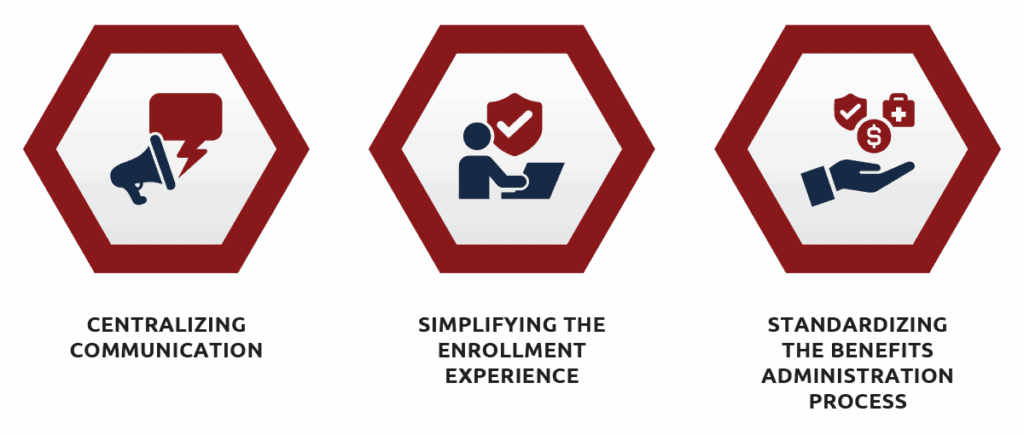
Modern benefits strategies require both flexibility and infrastructure. PBS supports organizations by centralizing administration for health savings accounts, flexible spending accounts, and retirement savings plans within a streamlined framework.
By simplifying enrollment, improving communication visibility, and supporting coordinated plan design, PBS enables HR professionals, brokers, and wellness consultants to expand financial wellness benefits without increasing operational burden.
A comprehensive approach to employee benefits is no longer limited to health insurance alone. When financial tools are integrated strategically, organizations strengthen retention, increase perceived value, and build a more resilient workforce.
With the right structure in place, employers can elevate their benefits strategy and deliver meaningful financial support at scale.